
There’s a special kind of wonder in watching ordinary yarn become something you can hold and love. Each loop, each pull, each quiet moment with your hook transforms soft fiber into a character with personality. Crochet is more than technique it’s a cozy ritual of slow making. As your stitches stack and swirl, you feel creativity taking shape in your palms, and the result is a little companion that carries the warmth of your time and care.
Meet the Crochet Horse Master Class Amigurumi
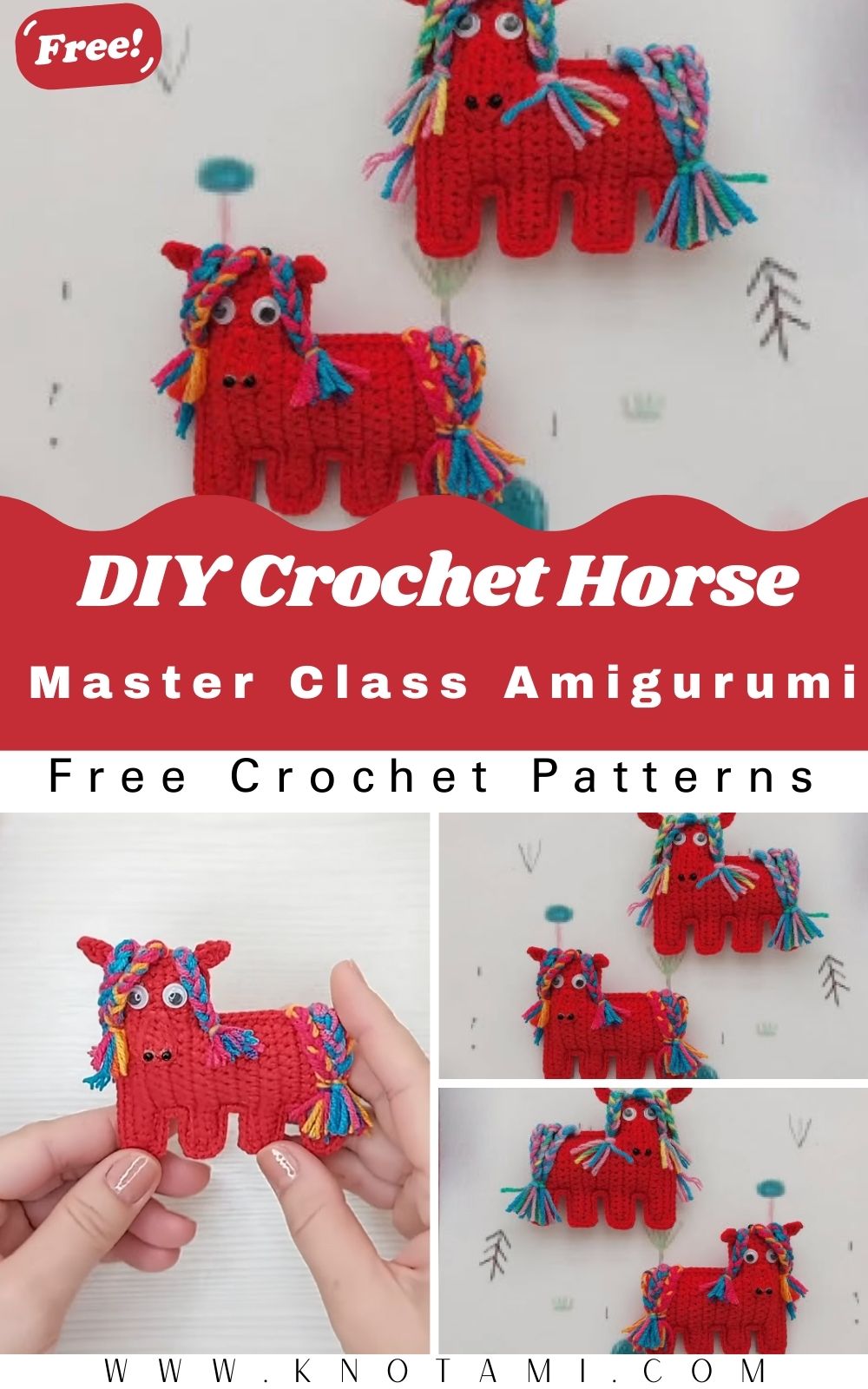
Enter the Crochet Horse Master Class Amigurumi: a sweet, storybook pony with expressive eyes, a sculpted muzzle, perked ears, and a flowing mane and tail you can comb, braid, or bead. The gentle curve of the neck, the plump belly, and the tidy hooves make this design irresistibly eye-catching. Sized perfectly for shelves, nurseries, and craft fair tables, this horse is a miniature showstopper whether you stitch it in rustic farmhouse neutrals or candy-colored fantasy hues.
Beginner-friendly, pro-level polish
This project is intentionally written to welcome beginners while delighting experienced makers. You’ll practice all the amigurumi essentials magic ring, increases, invisible decreases, and tidy assembly and you’ll also learn shaping tricks for a refined muzzle, balanced legs, and a sturdy neck. Advanced crocheters can level it up with wired ears, jointed limbs, complex colorwork, or textured manes. It’s a joyful make that grows steadily and rewards your patience with an elegant, professional finish.
Slow crafting you’ll savor and love to gift
Round by round, your horse emerges: first a little snout, then a soft head, a dignified neck, sturdy legs, and finally that swishy, photogenic tail. The rhythm of the work is soothing; the moment you sew on the ears and add a tuft of mane, you’ll feel the spark of accomplishment that only handmade brings. It’s the perfect project for gifting soft, symbolic, and full of heart.
Materials & Tools
-
Yarn (DK or light worsted / Category 3):
-
Main coat: 1–2 balls (e.g., chestnut, oatmeal, smoke gray, cocoa).
-
Muzzle & inner ear: small amount of lighter contrast (cream/beige).
-
Mane & tail: scraps in coordinating or fantasy colors.
-
Hooves (optional contrast): small amount in darker neutral.
-
-
Crochet hook: 2.75–3.25 mm (choose the smallest size that yields a firm, gap-free fabric with your yarn).
-
Stuffing: High-loft polyester fiberfill (and optional: a small pouch of plastic pellets to weight the belly).
-
Safety eyes: 8–10 mm (or embroider for baby-safe gifts).
-
Tapestry needles: straight and bent tips for easier assembly.
-
Scissors and stitch markers.
-
Pins or clips for positioning parts.
-
Optional: Floral wire/pipe cleaners (for poseable ears), fine comb for mane, tiny beads, ribbon, or leather cord for bridle.
Choosing yarn texture, weight, and color combos
-
Texture: Cotton gives crisp stitch definition great for sculpted muzzles and neat hooves. Acrylic/acrylic blends feel plumper and cuddly. Brushed yarn (held double with smooth yarn) creates a fuzzy, pony-coat halo.
-
Weight: DK gives a palm-sized horse (≈ 16–20 cm tall). Switch to worsted for a larger plush; downsize to sport for mini ornaments.
-
Colors: Natural palettes (chestnut body + black mane + cream muzzle) look realistic. Fantasy palettes (pastels, gradients, metallic strand held with mane) are gorgeous for nursery décor and gifts.
Step-by-Step Crochet Instructions
Abbreviations: MR (magic ring), ch (chain), sl st (slip stitch), sc (single crochet), hdc (half double crochet), inc (increase = 2 sc in one stitch), dec (invisible decrease), BLO/FLO (back/front loop only). Work in continuous rounds unless noted. Move your stitch marker each round. Keep tension firm for a dense fabric.
1) Making the Head (with sculpted muzzle)
Muzzle (worked first, then continued into head):
-
With muzzle color: MR, 6 sc (6)
-
Rnd 2: inc around (12)
-
Rnd 3: (sc, inc) ×6 (18)
-
Rnd 4: (2 sc, inc) ×6 (24)
-
Rnds 5–6: sc around (24)
-
Rnd 7 (gentle taper): (6 sc, inc) ×3 (27)
-
Rnd 8: sc around (27)
– Lightly stuff the muzzle; keep the top half softer for easy shaping.
Switch to main coat color for head:
8. Rnd 9: (8 sc, inc) ×3 (30)
9. Rnd 10: (9 sc, inc) ×3 (33)
10. Rnds 11–15: sc around (33)
11. Place eyes between Rnds 12–13, spaced ≈ 8–9 stitches apart (wider set = sweeter look).
12. Rnd 16: (9 sc, dec) ×3 (30)
13. Rnd 17: (8 sc, dec) ×3 (27) begin stuffing more firmly; add extra fiber at cheekbones for a friendly contour.
16. Rnd 20: (sc, dec) ×6 (12)
17. Rnd 21: dec around (6). FO if you plan to sew the head later; or leave working loop to continue straight into the neck (seamless option below).
Shaping note: After closing, thumb-press the top of the muzzle slightly upward and embroider 2–3 tiny nostril stitches in dark brown at the lower front. A subtle horizontal stitch under the nostrils helps “lift” the snout.
2) Forming the Neck & Upper Body (strong, elegant silhouette)
If head is closed: Reattach yarn at the head base.
If seamless: Keep working from the head opening.
-
Neck pickup: Work 12 sc evenly around the head base (or inc back to ≈ 12–14 sts).
-
Rnds 1–2: sc around (12–14)
-
Rnd 3 (flare to chest): (sc, inc) around (to ≈ 18)
-
Rnd 4: (2 sc, inc) around (to ≈ 24)
-
Rnd 5: sc around (24)
– Stuff the neck firmly so the head won’t wobble. Slightly tighter tension here = better posture.
Optional chest contour: FLO sc around once at Rnd 5 to create a subtle ridge for the chest transition.
3) Building the Main Body (barrel & belly)
-
Rnd 6: (3 sc, inc) ×6 (30)
-
Rnd 7: (4 sc, inc) ×6 (36)
-
Rnds 8–12: sc around (36) for body height.
-
Rnd 13 (begin taper to rump): (4 sc, dec) ×6 (30)
-
Rnd 14: (3 sc, dec) ×6 (24) insert pellet pouch now if you want a weighted belly; then begin stuffing firmly through the core with slightly softer sides for squeeze-ability.
-
Rnd 15: (2 sc, dec) ×6 (18)
-
Rnd 16: (sc, dec) ×6 (12)
-
Rnd 17: sc around (12); FO and weave or close with dec around → 6 if you prefer a fully closed base.
Shaping tip: Before the final two rounds, put the horse upright. If the balance feels off, redistribute stuffing more at the lower front helps sitting posture; more at back supports the tail base.
4) Shaping or Attaching the Base / Legs (four sturdy limbs)
You can make a sitting horse (front legs straight, back legs tucked) or a standing horse (all legs straight). Below are simple, sturdy legs that work for both.
Front Legs (make 2):
-
Hoof color: MR, 6 sc (6)
-
Rnd 2: (sc, inc) ×3 (9)
-
Rnd 3: sc around (9)
-
Switch to coat color
-
Rnds 4–10: sc around (9) lightly stuff as you go.
-
Flatten opening; 3 sc across to close; FO leaving a long tail for sewing.
Back Legs (make 2):
-
Hoof: MR, 6 sc (6)
-
Rnd 2: inc around (12)
-
Rnd 3: (3 sc, inc) ×3 (15)
-
Rnd 4: BLO sc around (15) for a neat hoof line
-
Switch to coat color
-
Rnds 5–8: sc around (15)
-
Rnd 9 (taper): (3 sc, dec) ×3 (12)
-
Rnds 10–12: sc around (12) stuff; fold opening, 4 sc across to close; FO long tail.
Placement:
-
Sitting pose: Sew back legs onto the lower sides of the body with the folded edge flat to the surface; sew front legs slightly forward under the chest.
-
Standing pose: Pin all four legs symmetrically. Test balance on a flat surface, then stitch firmly with short backstitches.
5) Creating the Tail, Ears, and Mane (the character makers)
Tail (two options)
-
Yarn tail: Cut 12–16 strands (mane color) ≈ 12–15 cm. Bundle and lark’s-head knot into a small chain loop stitched at the rump. Trim to desired length; gently brush.
-
Crochet tail: ch 16; Row 1: sc in 2nd ch and across; Row 2: (sc, inc) across for a slight flare. FO; add a fringe at the end.
Ears (make 2)
-
With coat color: ch 5.
-
Row 1: sc in 2nd ch from hook, hdc, hdc, sc (tapered leaf).
-
Row 2 (edge): sl st around for a tidy outline; pinch the base and sew to the head between Rnds 14–16 (counting from muzzle back).
Poseable option: Stitch a short piece of pipe cleaner inside before seaming.
Mane
-
Classic strands: Cut 25–40 strands in desired length; attach along a center line from poll (between ears) to withers (back of neck) using lark’s-head knots; trim and gently brush or braid.
-
Crochet loop-stitch strip: Work a 1-stitch-wide strip in loop stitch for fluffy volume; sew along the neck ridge.
Bangs/forelock: Add 6–8 shorter strands between the ears for that endearing pony fringe.
6) Assembly & Positioning (balanced and clean)
-
Head to body (if separate): Pin, then ladder stitch all around the join. As you sew, occasionally pause to tug gently; the seam should vanish into the fabric.
-
Legs: Pin with symmetry, then sew with strong, small backstitches. Test standing/sitting after a few stitches to adjust before fully securing.
-
Ears: Align with a slight outward tilt.
-
Tail & mane: Attach last; groom with a comb or brush for fluff and shape.
Balance trick: If the horse tends to tip, conceal a small flat weight (coin in a felt sleeve) inside the lower belly, then close with a ladder stitch.
7) Adding Final Touches & Accessories (turning cute into unforgettable)
-
Face embroidery: Add a tiny mouth stitch under the muzzle; a single stitch at each outer eye corner reads like lashes.
-
Blush: Soft pastel or a tiny bit of makeup gives life to cheeks.
-
Bridle: Chain a length to fit loosely around the muzzle and behind ears; sl st back for a cord-like strap; join under the jaw.
-
Saddle blanket: ch a rectangle; work 6–10 rows of sc; edge in contrasting picots; tack to the back.
-
Saddle (optional): A small curved oval worked in hdc with a shorter front “pommel” adds realism.
-
Bow or bead accents: Tie a ribbon at the tail root or add a bead braid in the mane.
Pro finish: Roll the entire piece gently between your palms to smooth the stuffing; steam-hover (no iron contact) to relax fibers.
Customization Ideas
-
Alternative color schemes:
-
Classic: Chestnut body, black mane/tail, cream muzzle.
-
Dappled gray: Light gray body; embroider tiny scattered white dots; charcoal mane.
-
Palomino: Buttery beige body, cream mane/tail, pale muzzle.
-
Fantasy: Pastel gradient body with metallic-thread mane, star embroidery on rump.
-
-
Different yarn types:
-
100% cotton for sharp contours.
-
Acrylic blend for softness and plush feel.
-
Brushed mohair (held with smooth yarn) for a fuzzy foal coat.
-
-
Themed versions:
-
Holiday: Red saddle blanket, tiny jingle-bell bridle.
-
Unicorn: Add a spiral horn (i-cord twisted and stitched), rainbow mane.
-
Cowboy pony: Tiny felt hat, faux-leather reins.
-
Show jumper: Number patch, braid the mane with ribbons.
-
-
Add-ons: Name tag, ankle socks, heart appliqué on saddle pad, braided tail wrap.
Advanced Tips & Troubleshooting
-
Invisible decreases: Work through front loops only of the next two stitches, yarn over, pull through both FLs, yarn over, pull through decreases disappear into the fabric for a smooth head and body.
-
Even tension = even limbs: If one leg looks slimmer, your tension shifted. Re-make the partner leg immediately so muscle memory matches.
-
Prevent spiral twist: Move your marker every round and pause periodically to check that your increase points aren’t drifting.
-
Muzzle sculpting: After stuffing, pinch slightly at the sides and add one ladder stitch through the inside of the muzzle from cheek to cheek; pull lightly to define the snout.
-
Proper stuffing balance: Firm in the neck and upper chest, medium in the head and belly, softer near seams; overstuffed hooves can distort shape.
-
Seamless joins: Ladder stitch with coat-color yarn, catching only the inner bars of each fabric to hide the seam.
-
Clean color changes (hooves/muzzle): Change color on the final yarn-over of the stitch before the change; tug tails inside for a crisp transition line.
-
Reading abbreviations accurately: Keep a mini legend by your side (MR, sc, inc, dec, FLO, BLO). Tally rounds on paper or a notes app for mirrored limbs.
-
Poseable details: For display pieces, add pipe cleaner in ears (wrap ends in tape first). Avoid wire in toys for small children.
-
Fixing wobbly head: Tighten neck stitches, add a dab more stuffing, or stitch a small collar round (FLO sc) at the neck base to lock it in.
Care Instructions
-
Gentle hand wash in cool water with mild detergent.
-
Do not wring. Press between towels to remove excess moisture.
-
Air dry flat, reshaping head, legs, and neck while damp.
-
Avoid direct sunlight to prevent fading.
-
Storage: Keep on a shelf or in a breathable pouch; support the neck if storing long-term.
-
Spot clean felt or ribbon accessories; remove beaded embellishments before washing.
Display & Gift Ideas
-
Home décor: Perch your horse on a bookshelf with a tiny plant, or stage a miniature stable scene with a wooden fence and straw-colored raffia.
-
Kid’s room accessory: Embroider eyes for safety; stitch reins and saddle securely.
-
Desk companion: A small horse by your mug is a daily reminder to pace yourself and enjoy the ride.
-
Holiday ornament: Make a mini version in sport yarn; add a hanging loop at the withers.
-
Personalized gift: Add the recipient’s initials on the saddle blanket or a birthdate on a tiny tag. Wonderful for horse-loving friends, baby showers, or classroom mascots.
Benefits of Making a Crochet Horse Master Class Amigurumi
-
Relaxation & mindfulness: The steady rhythm of rounds and the soft feel of yarn foster calm focus and presence.
-
Stress relief through crafting: Choosing colors, shaping elements, and styling the mane channel creative energy into joy.
-
A sense of accomplishment: From the first magic ring to the final forelock, you’ll watch a character come alive stitch by stitch.
-
Eco-friendly, sustainable gifting: Use stash yarn and minimal packaging to create meaningful, long-lasting gifts.
-
Emotional connection: Handmade carries heart your time, attention, and care are stitched into every contour and curl of mane.
Photography & Social Media Tips
-
Natural daylight wins: Shoot near a window; turn the piece slightly toward the light for dimensional shadows.
-
Soft backgrounds: Linen cloth, wood tabletop, or pastel cardstock make the coat color pop.
-
Tell a story: Style with tiny hay (raffia), a ribbon bridle, or a mini chalkboard nameplate.
-
Angles: ¾ headshot highlights the muzzle and eyes; overhead flat lay shows saddle blanket; side view captures neck curve and tail.
-
Close-ups: Focus on the muzzle embroidery, hoof color change, and mane texture.
-
Cohesive palette: Match props to your horse’s colors for a harmonious grid.
-
Video ideas: Time-lapse of mane attachment or a gentle comb-through reel.
Conclusion
From the first circle of the muzzle to the final twist of the tail, the DIY Crochet Horse Master Class Amigurumi is a pure celebration of handmade joy. It’s a project that invites patience and rewards play simple techniques refined with thoughtful shaping to create a plush that feels alive with character. Whether you stitch a realistic bay with inky mane or a pastel fantasy pony with a braided forelock and beaded bridle, your horse will carry personality and your heart in every stitch.
So brew a cozy drink, pick a palette that makes you smile, and let your hook trot along at a gentle pace. In a handful of peaceful sessions, you’ll have a beautiful, gift-worthy horse ready to gallop into someone’s day proof that yarn, time, and love can become something truly magical.