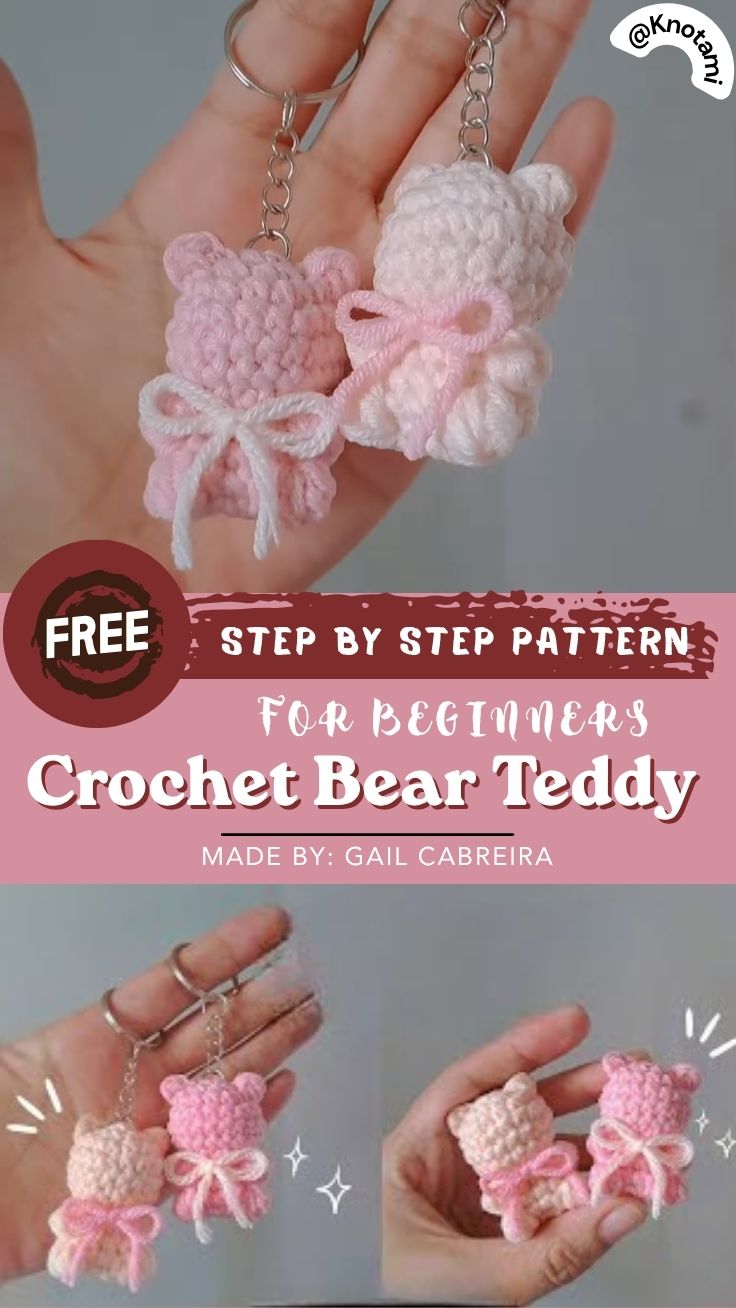
Kawaii Mini Crochet Bear Teddy Amigurumi Pattern
Feeling nervous about crocheting Crochet Bear Teddy Amigurumi is normal. This kawaii mini bear is small, simple, and forgiving, so beginners can practice basic amigurumi stitches with confidence. Go slowly, count stitches, and enjoy it.
Create a pocket-sized keepsake with this Kawaii Mini Crochet Bear Teddy Amigurumi Pattern, designed for clean shaping and a polished finish. Using classic amigurumi techniques, magic ring, tight single crochet, and neat invisible decreases, you’ll crochet a sweet mini teddy with refined details. 
Ideal as a handmade home decor accent on a nursery shelf, a charming custom gift for birthdays or baby showers, or a personalized gift topper for luxury wrapping. Choose soft cotton or velvet yarn for a modern look, and enjoy a pattern that reads like a calm, premium crochet tutorial.
Kawaii Mini Crochet Bear Teddy Amigurumi Pattern
A tiny teddy can completely change the mood of a project basket. This kawaii mini crochet bear teddy amigurumi is small enough to finish in one cozy sitting; however, it still looks detailed and gift-ready. To begin with, the body works up quickly in simple rounds. After that, the head and ears create that classic teddy silhouette. At the same time, the little arms and legs add personality, especially once the face is placed neatly. In the end, careful assembly and a few tidy stitches turn basic yarn into a sweet keepsake, perfect for keychains, nursery decor, or a thoughtful handmade surprise.
What You’ll Need
1) Yarn (choose one option)
Sport/DK weight cotton yarn (Category 2–3):
- Main color: 25–35 g (about 70–110 m, depending on brand)
- Accent color (snout/inner ears): 5–10 g
Velvet/chenille yarn (Category 6) for a plush look (optional):
- Main color: 40–60 g
- Accent color: 10 g
2) Hook size
- For DK cotton: 2.5 mm or 3.0 mm (choose slightly smaller than the yarn label for tighter stitches)
- For velvet/chenille: 4.0 mm or 4.5 mm
3) Notions
- Safety eyes: 6 mm
- Stuffing: 15–25 g polyester fiberfill
- Stitch marker: 1 locking marker (or scrap yarn)
- Yarn needle: blunt tapestry needle
- Scissors
4) Optional accessories
- Keychain ring: 25–30 mm ring or swivel clasp
- Small ribbon: 6–10 mm wide, 10–15 cm long
- Embroidery thread: black/brown for nose and smile (or use yarn)
Skill Level
Beginner / Easy
This pattern uses core amigurumi basics: magic ring, single crochet, increases, decreases, and simple sewing. In addition, the shaping is forgiving, so beginners can relax and enjoy the process.
Making Time (Overview)
Total time: 2.5–4 hours (depending on experience and yarn type)
- Body: 25–40 minutes
- Head: 35–55 minutes
- Ears (2): 15–25 minutes
- Arms (2): 20–30 minutes
- Legs (2): 20–35 minutes
- Heart/accessory (optional): 10–20 minutes
- Face & assembly: 30–50 minutes
Instructions for (Crochet Bear Teddy Amigurumi)
Notes before starting (read first)
- Work in continuous rounds (spiral). Therefore, use a stitch marker to track the first stitch of each round.
- Suggested abbreviations:
- MR = magic ring
- sc = single crochet
- inc = increase (2 sc in the same stitch)
- dec = invisible decrease (single crochet 2 stitches together)
- sl st = slip stitch
- ch = chain
- Stuff firmly but gently. At the same time, avoid overstuffing, because stretched stitches can create visible gaps.
Body (Making time: 25–40 minutes)
Goal: A rounded, petite body that sits nicely once the legs are attached.
1) Start and grow the base
Round 1: 6 sc in MR (6)
Round 2: inc x6 (12)
Round 3: (sc, inc) x6 (18)
Round 4: (2 sc, inc) x6 (24)
Tip: First, keep tension firm and even. Next, pause and flatten the circle; if it curls into a bowl too early, the stitches may be too tight.
2) Build the belly
Round 5–8: sc around (24)
Round 9: (2 sc, dec) x6 (18)
Round 10: sc around (18)
Stuffing moment: At this stage, add stuffing gradually. Meanwhile, shape the belly with your fingertips so it stays smooth instead of bumpy.
3) Close the body
Round 11: (sc, dec) x6 (12)
Round 12: dec x6 (6)
Fasten off, leave a tail, and close the opening.
Finishing tip: Finally, weave the yarn tail through the front loops of the last 6 stitches and pull tight for a neat closure.
Additional Parts
Head (Making time: 35–55 minutes)
Goal: A slightly larger head than the body for a cute kawaii look.
1) Start the head
Round 1: 6 sc in MR (6)
Round 2: inc x6 (12)
Round 3: (sc, inc) x6 (18)
Round 4: (2 sc, inc) x6 (24)
Round 5: (3 sc, inc) x6 (30)
2) Shape the cheeks
Round 6–9: sc around (30)
Eye placement guide: Before you commit, mark the eye spots. Place eyes between Rounds 7–8, about 6–7 stitches apart. Then, adjust slightly until the expression looks gentle and balanced.
3) Decrease and close
Round 10: (3 sc, dec) x6 (24)
Round 11: (2 sc, dec) x6 (18)
Round 12: (sc, dec) x6 (12)
Stuff firmly now.
Round 13: dec x6 (6)
Fasten off, leaving a long tail for sewing.
Beginner tip: If the head looks a little pointy, massage it softly to round it out.
Ears (Make 2) (Making time: 15–25 minutes total)
Goal: Small, rounded ears that sit high and slightly to the sides.
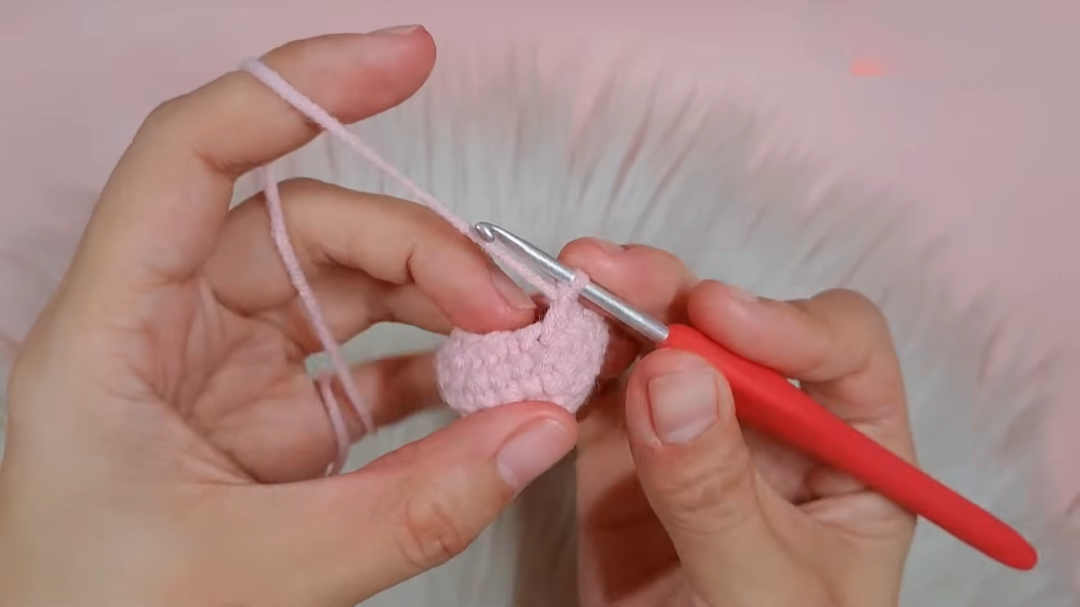
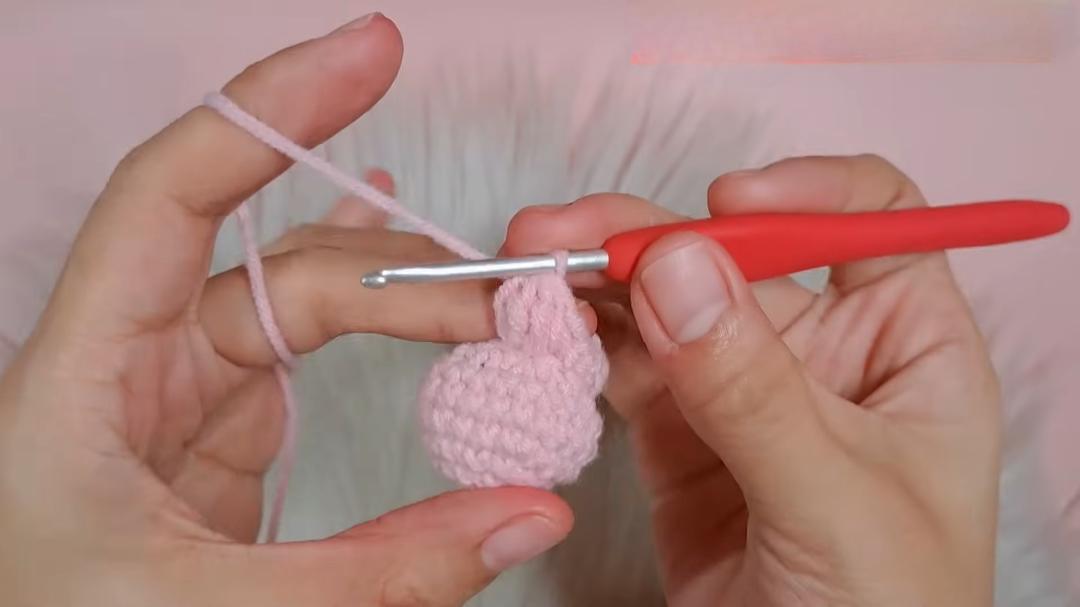
Round 1: 6 sc in MR (6)
Round 2: (sc, inc) x3 (9)
Round 3: sc around (9)
Fasten off, leaving a tail for sewing.
Then, pinch the bottom edge slightly to create a gentle curve.
Optional inner ear: Later, stitch on a tiny accent circle for extra sweetness.
Arms (Make 2) (Making time: 20–30 minutes total)
Goal: Slim arms that rest cutely at the sides.
Round 1: 6 sc in MR (6)
Round 2: (sc, inc) x3 (9)
Rounds 3–5: sc around (9)
Lightly stuff the hand area only.
Round 6: (sc, dec) x3 (6)
Rounds 7–9: sc around (6)
Flatten the opening; then sc through both layers 3 times to close.
Fasten off, leaving a tail for sewing.
Tip: Most importantly, avoid stuffing the entire arm. Otherwise, it may stick out stiffly instead of draping naturally.
Legs (Make 2) (Making time: 20–35 minutes total)
Goal: Short legs that help the bear sit or stand more easily.
Round 1: 6 sc in MR (6)
Round 2: inc x6 (12)
Round 3: sc around (12)
Round 4: (2 sc, dec) x3 (9)
Stuff the foot lightly at this point.
Rounds 5–7: sc around (9)
Flatten the opening; then sc through both layers 4–5 times to close.
Fasten off, leaving a tail for sewing.
Shaping note: When you sew, press the foot slightly forward; as a result, the bear looks more stable and balanced.
Accessories / Details (Optional) (Making time: 10–20 minutes)
A tiny heart makes this mini teddy feel even more personal. For example, it works beautifully for birthdays, thank-you gifts, or a mini “get well soon” surprise.
Mini heart (flat and simple)
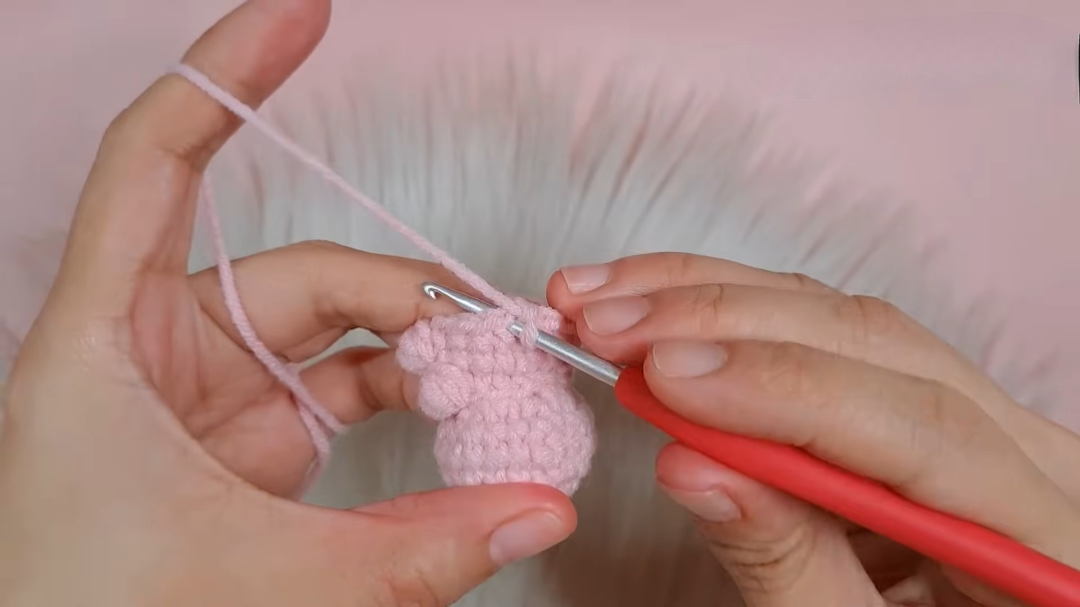
Make 2 small bumps:
- Bump A: MR, 3 sc, 3 dc, 3 sc, sl st, cut yarn
- Bump B: Repeat, but do not cut yarn after the sl st
Join and shape:
With yarn still attached to Bump B, ch 1. Next, crochet around both bumps: sc along the top curve, then (sc, ch 1, sc) at the point, and then continue sc back up.
Fasten off and leave a tail to sew onto the belly.
Alternative ideas: Instead of a heart, swap in a mini bow, a tiny scarf strip, or a simple keychain loop.
Face & Assembly (Making time: 30–50 minutes)
Assembly is where the bear becomes expressive. First, pin everything. Next, step back and check symmetry. Finally, stitch firmly and neatly.
1) Attach the head to the body
- Center the head on top of the body.
- Pin in place.
- Sew around using small whip stitches.
- Add a bit more stuffing right before closing the seam, if needed.
Tip: In particular, keep the neck seam snug; otherwise, the head can wobble.
2) Place and secure the ears
- Position ears on the upper sides of the head (near the top third).
- Pin each ear; then sew along the base edge.
- Add extra stitches at the corners; as a result, the ears stay perky and secure.
3) Attach legs
- Place both legs on the lower front half of the body, evenly spaced.
- Pin first; then sew securely.
- For a sitting pose, angle the legs slightly forward.
4) Attach arms
- Place arms slightly below the head seam, one on each side.
- Sew with a few strong stitches; meanwhile, keep them soft and relaxed.
5) Add the nose and smile
- If using safety eyes, make sure they’re locked in before the head is fully closed.
- For the nose: embroider a small triangle or oval centered below the eyes.
- For the smile: stitch a short curved line; then add tiny vertical stitches for a gentle teddy mouth, if desired.
Beginner-friendly tip: To avoid crooked expressions, sketch the smile line lightly with a removable marker first. That way, you stitch with confidence.
6) Optional blush or extra details
Light pink yarn, embroidery thread, or blush powder can add rosy cheeks. However, keep it subtle—dab lightly and build color slowly.
Special Features for (Crochet Bear Teddy Amigurumi)
- Kawaii proportions: The head is slightly larger than the body, which creates a sweet baby-bear look.
- Soft, clean shaping: Simple rounds and steady decreases keep the silhouette smooth.
- Tiny gift-ready size: Ideal for quick makes, last-minute gifts, and craft-fair prep.
- Convertible finish: Add a keychain ring for a bag charm; alternatively, skip it for shelf-friendly amigurumi decor.
Sizing Tips
Yarn weight changes everything
- DK cotton + 2.5–3.0 mm hook: typically 8–11 cm (3–4.5 in) tall
- Velvet/chenille + 4.0–4.5 mm hook: typically 11–15 cm (4.5–6 in) tall
Hook size controls stitch density
- Smaller hook = tighter stitches, firmer bear, fewer gaps
- Larger hook = faster work; however, gaps may appear
Therefore, choose the smallest hook that still feels comfortable.
Stuffing affects posture
- More stuffing in the head = rounder cheeks
- Less stuffing in limbs = softer, cuter drape
Finishing Tips
- Use invisible decreases for a smoother surface. First, pick up only the front loops of the next two stitches; then crochet them together.
- Hide yarn tails carefully. Next, run the tail through the body, pull slightly, and cut; as a result, the end retracts inside.
- Pin before sewing. Meanwhile, check the bear from the front, side, and back to confirm symmetry.
- Keep tension steady, especially near the end. Finally, slow down on the last few rounds for the cleanest finish.
Common Mistakes to Avoid
- Skipping the stitch marker: Without a marker, round placement drifts. So, always mark the first stitch and move it up each round.
- Overstuffing the head or body: This stretches stitches and causes gaps. Instead, add small tufts gradually and shape as you go.
- Placing safety eyes too early: If the face feels “off,” eyes may need shifting. Therefore, test placement first before locking them.
- Loose sewing stitches: Loose seams can wobble or open. For best results, use small stitches, pull snugly, and knot securely inside.
- Uneven increases or decreases: Bumps happen when increases stack. To fix this, slightly shift the start point when needed.
Variations & Customization Ideas
1) Color changes
- Classic teddy: warm brown with beige snout
- Polar bear: cream or white with a soft pink nose
- Pastel kawaii: lavender, mint, or baby blue
Next, add a contrasting heart to make the colors pop.
2) Size options
- Micro bear: fingering yarn with a 2.0–2.25 mm hook
- Plush bear: bulky velvet yarn with a larger hook
Meanwhile, keep stitches tight so stuffing stays hidden.
3) Expression swaps
- Sleepy bear: stitch curved closed eyes
- Shy bear: add blush and a tiny “w” mouth
- Curious bear: place eyes closer and add small eyebrows
In all cases, keep embroidery minimal for a clean, modern look.
4) Theme ideas
- Birthday bear: tiny party hat and mini bow tie
- Holiday bear: scarf and a small star
- Nursery bear: ribbon collar and soft neutral palette
5) Keychain conversion
First, stitch a small loop on top of the head (ch 8–12, sl st back). Next, thread the keychain ring. Finally, reinforce with extra stitches so it holds up to daily use.
Tutor Suggestions
- Start with smooth yarn for the first bear. Cotton or acrylic shows stitches clearly; therefore, counting becomes easier. Later, try velvet yarn for a plush upgrade.
- Count stitches at the end of every round. Then, fix mistakes right away; otherwise, they grow into bigger problems.
- Use pins like a roadmap. In other words, pin the head, ears, arms, and legs before sewing them permanently.
- Take short breaks during face placement. Face details can feel picky; however, a pause makes symmetry easier to see.
- Keep the first teddy as a “before” piece. Finally, comparing future bears to its progress becomes obvious,s and confidence grows fast.