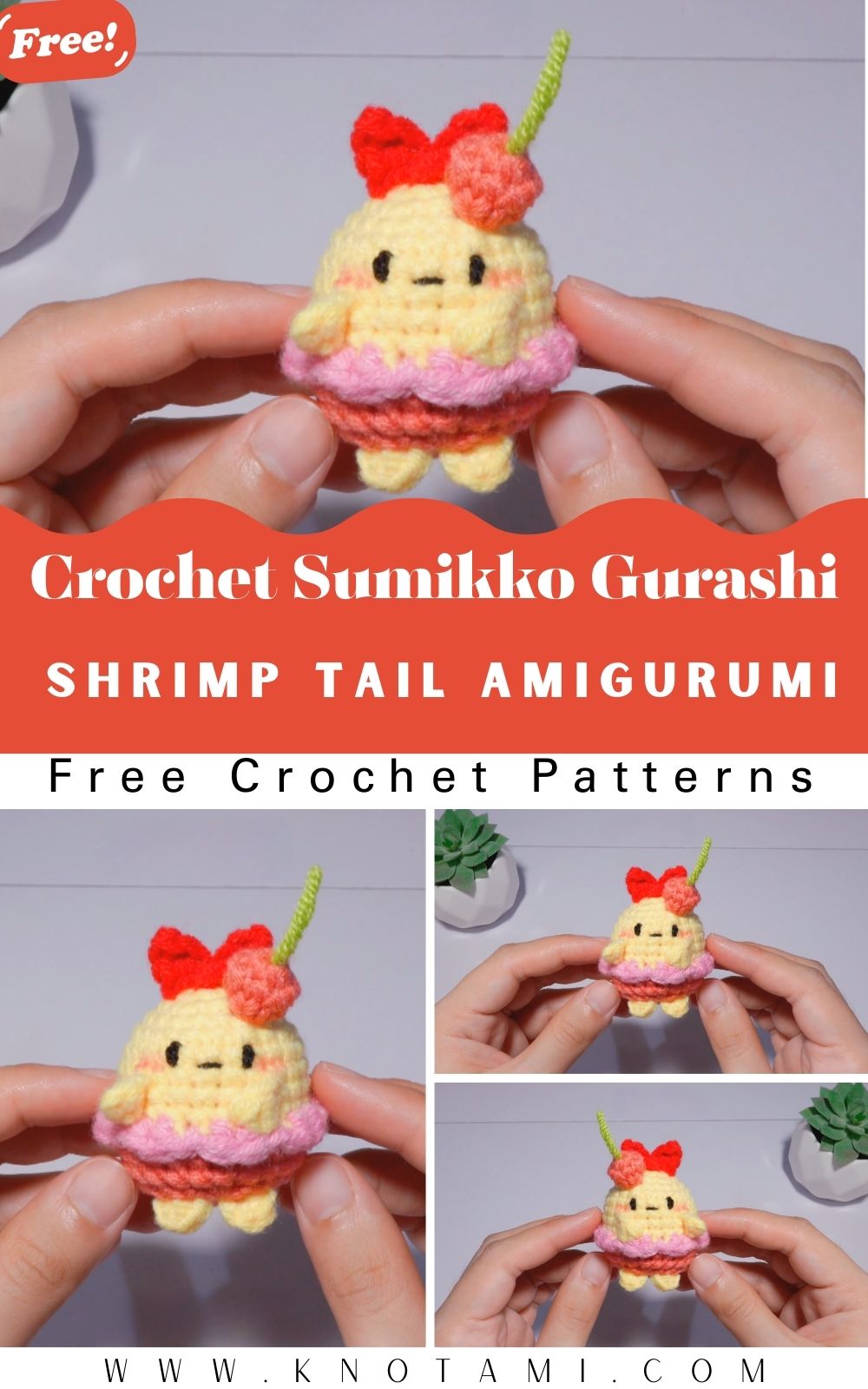
Crochet Sumikko Gurashi Shrimp Tail Amigurumi Pattern

Some days, I just need a tiny friend who understands quiet corners. Crocheting the Sumikko Gurashi Shrimp Tail feels like stitching comfort into yarn, gentle, sweet, and shy. Each loop hushes the noise, and suddenly my heart has a soft place to rest.

Bring a little shy sweetness to your hook with this Crochet Sumikko Gurashi Shrimp Tail amigurumi pattern. Beginner-friendly and kawaii, this step-by-step crochet tutorial is perfect for a quick gift, bag charm, or comforting desk buddy. Use scrap yarn, follow clear stitches, and finish a neat plush tail that photographs beautifully for Pinterest. Great for handmade markets, birthdays, or pairing with a gift card; no online course required, just your hook and heart. If it makes you smile, save this post for later or share it with a friend who needs a tiny hug.

Crochet Sumikko Gurashi Shrimp Tail Amigurumi Pattern

Crochet Sumikko Gurashi Shrimp Tail Amigurumi Pattern

Bright, tiny, and heartmeltingly sweet, this Crochet Sumikko Gurashi Shrimp Tail amigurumi pattern turns simple stitches into a soft, calming make. Because the shape is clean and compact, the project works up quickly and feels relaxing from start to finish. Moreover, the minimalist face and cheerful fins add instant kawaii charm, which makes the process enjoyable and the result irresistibly cute. Use it as a keychain, a soothing desk buddy, or a gift topper for birthdays and care packages. For best results, save this tutorial now and share it later with a fellow crochet friend.

Materials Needed (Exact Measurements)

  • Yarn:
    • Main body: Worsted weight (Category 4) cotton or acrylic, light yellow/golden beige, 25–30 g
    • Tail fins/accents: Worsted weight (Category 4) coral or soft orange, 5–8 g
    • Face details: Black embroidery thread or fine black yarn (about 1 m)
    • Optional blush: Soft pink embroidery thread or pastel fabric paint (a few inches or tiny dab)
  • Crochet Hooks:
    • 3.5 mm (E-4) for the body (standard firmness)
    • 3.25 mm for small parts if a tighter fabric is desired
  • Safety Eyes:
    • 6 mm black round safety eyes with washers (1 pair)
  • Stuffing:
    • Polyester fiberfill, 12–18 g (a small handful)
  • Notions:
    • Locking stitch marker (to mark the first stitch of each round)
    • Yarn needle (blunt tip) for sewing parts
    • Embroidery needle for facial details
    • Straight pins or clips for positioning
    • Small scissors
  • Optional Accessories:
    • 25 mm keychain ring with 50 mm chain and swivel clasp
    • Thin ribbon (6–10 mm wide) for a bow
    • Small magnet insert (15–20 mm) for a fridge magnet variation

Skill Level

  • Easy / Beginner-friendly
  • Basic familiarity with magic ring, single crochet (sc), increase (inc), decrease (dec), slip stitch (sl st), and working in the round

Making Time (Overview)

  • Total time: Approximately 2–3 hours
  • Body: 60–75 minutes
  • Tail fins: 15–20 minutes
  • Details and assembly: 25–45 minutes

Step-by-Step Instructions

Before starting, place a stitch marker in the first stitch of each round. Consequently, counting stays accurate and shaping remains even. All rounds are worked in a continuous spiral unless noted. Additionally, stuff gradually so the fabric stays smooth.

Body (3 Clear Steps, 60–75 minutes)

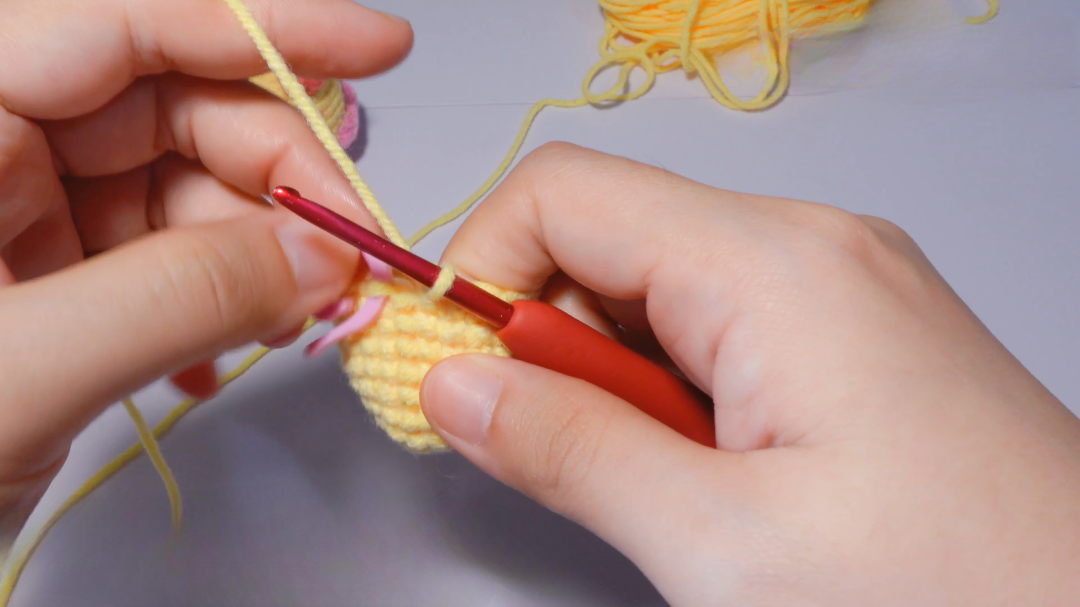
  1. Begin and Shape the Base
  • First, create a magic ring; work R1: 6 sc into the ring (6).
  • Next, R2: Inc in each stitch around (12).
  • Then, R3: (1 sc, inc) x 6 (18).
  • After that, R4: (2 sc, inc) x 6 (24).
  • Finally, R5: (3 sc, inc) x 6 (30).
  • Result: A flat, even base forms a stable bottom so the shrimp tail can sit upright without wobbling.
  1. Build the Plush Cylinder and Place the Face
  • First, R6–R12: Sc around (30) for 7 rounds; keep tension even for tidy sides.
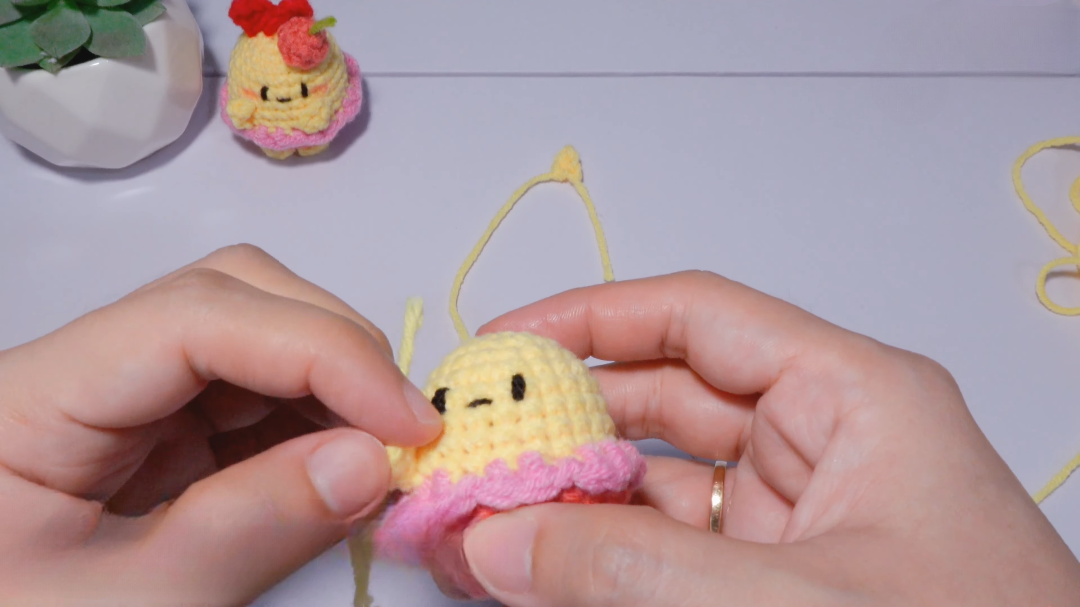
  • Meanwhile, place 6 mm safety eyes between R6 and R7, about 6 stitches apart, centered on the front. Secure washers firmly.
  • Next, embroider a tiny curved mouth between the eyes using black thread. Specifically, make a gentle 2–3 stitch curve; for extra sweetness, add a short vertical tack at each corner.
  • Consequently, the expression stays soft, calm, and unmistakably kawaii.
  1. Taper, Stuff, and Close
  • First, R13: (3 sc, dec) x 6 (24).
  • Next, R14: (2 sc, dec) x 6 (18).
  • Then, R15: Sc around (18); begin stuffing. Because overstuffing can stretch the fabric, add fiberfill in small pinches.
  • After that, R16: (1 sc, dec) x 6 (12).
  • Finally, R17: Dec around (6); finish stuffing, fasten off, and close with the yarn needle using the drawstring method. Weave in the tail securely.
  • Tip: For a slightly flatter top that anchors the fins neatly, add one extra straight round before tapering and stuff the crown a touch firmer.

Additional Parts

  1. Tail Fins (Make 2, 15–20 minutes total)
  • To begin, switch to the accent color and a 3.25–3.5 mm hook.
  • Fin A (left):
    • R1: Magic ring, 4 sc (4)
    • R2: (1 sc, inc) x 2 (6)
    • R3: (2 sc, inc) x 2 (8)
    • R4: Sc around (8)
    • Fasten off with a long tail for sewing.
  • Fin B (right): Repeat Fin A.
  • Next, pin both fins at the top back edge of the body and angle them outward into a gentle “V.” Consequently, the silhouette echoes the classic shrimp tail split that fans adore.
  1. Optional “Panko” Texture Bumps (10–12 minutes)
  • First, make 4–6 tiny nubs in the main color:
    • R1: Magic ring, 4 sc; sl st to join; fasten off with a short tail.
    • Alternatively, ch 2, work 4 sc into the second chain from the hook, then sl st to join.
  • Next, sew these nubs randomly along the lower front and side for a playful, crispy look.
  • Because less is often more, space them irregularly so the texture appears natural.
  1. Hanging Loop for Keychain (5 minutes)
  • First, with matching yarn, ch 10–12.
  • Next, sl st to the same point to form a sturdy loop; fasten off and weave ends.
  • Alternatively, sew a metal keychain ring directly through several dense crown stitches after the fins are attached. Consequently, the hardware sits straight and holds up to daily use.

Heart / Accessories / Details (10–15 minutes)

  • First, add blush under the eyes with two tiny pink embroidery stitches or a faint dab of fabric paint. As a result, the face looks even softer.
  • Next, surface slip stitch two short, curved accents above one eye using the accent color to suggest subtle highlights.
  • Alternatively, tie a 6–10 mm ribbon into a petite bow and sew it slightly off-center for extra charm.
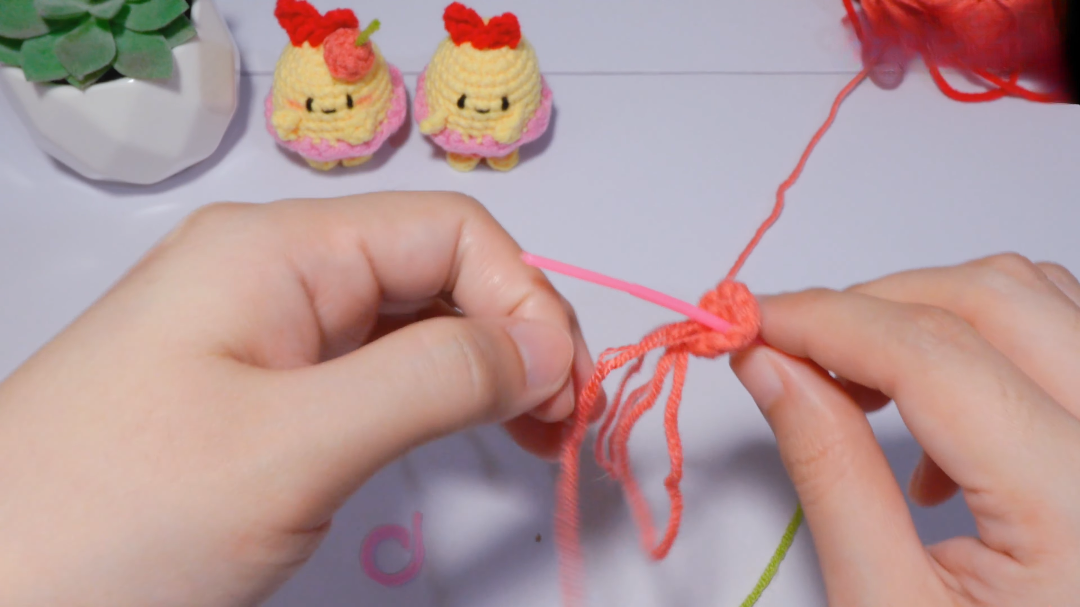
  • Optional mini heart: Ch 2; in the second chain from the hook, work (3 dc, 3 hdc, 1 dc, 2 hdc), sl st to close the heart shape. Then, sew it near one fin. Consequently, the shrimp tail feels gift-ready and extra adorable.

Face & Assembly (25–30 minutes)

  • Positioning:
    • First, mark the center front with a pin; balance improves when the face and fins align with this guide.
    • Next, pin the tail fins at the top back in a symmetrical “V.” Check from several angles.
  • Sewing:
    • Then, thread a yarn needle with the fin tails. Using small, even stitches, sew each fin around its base.
    • Afterward, tug gently to test for wiggle. If needed, add reinforcing stitches; consequently, the fins stay secure.
  • Face:
    • Meanwhile, confirm eye alignment. Because small shifts change the mood, adjust before locking washers.
    • Next, embroider the mouth last so spacing lands perfectly beneath the eyes.
  • Keychain:
    • Finally, attach the ring to the loop or anchor the ring by sewing through multiple tight stitches at the crown. Therefore, the charm hangs straight and withstands daily movement.

Beginner Tip: While sewing, hold the body softly and stitch in short motions. Consequently, the fabric will not stretch, and the curves will remain smooth.

Special Features

  • Gentle Minimalist Expression: Small eyes and a tiny smile create a calm, comforting look; therefore, the plush suits cozy corners and tidy desks.
  • Smooth, Handheld Shape: The compact cylinder rests softly in the palm; moreover, it stands upright, which makes styling easy for photos and shelves.
  • Playful Texture Options: Optional “panko” bumps and subtle accent lines add personality; meanwhile, the design stays clean and uncluttered.
  • Keychain-Ready Build: With a simple loop or hardware, it transforms into an everyday travel companion.

Sizing Tips

  • Yarn Weight:
    • First, switch to bulky (Category 5) yarn with a 4.5–5 mm hook for a larger, squeezable plush.
    • Alternatively, choose DK (Category 3) yarn and a 3.0–3.25 mm hook for a petite charm perfect for keyrings.
  • Hook Size:
    • Next, size down by 0.25–0.5 mm for tighter fabric and less stuffing show-through.
    • Conversely, size up slightly for extra softness; however, check for gaps as you go.
  • Stitch Count:
    • Finally, to size up without changing yarn, add one more increase round before working straight (for instance, up to 36 stitches), then include 1–2 additional straight rounds to maintain proportion.

Finishing Tips

  • Neat Stitching:
    • First, keep increases evenly spaced to prevent leaning. If the spiral drifts, add one adjusting sc at the end of a round before moving the marker.
  • Secure Shaping:
    • Next, stuff little by little. Press with palms to settle the fiber; afterward, add tiny pinches where dips appear.
  • Clean Final Look:
    • Then, steam-block fins lightly if using cotton or wool. However, if acrylic is used, hover the steamer rather than touching it directly to avoid flattening.
  • Hardware Safety:
    • Finally, for child-safe makes, choose embroidered features instead of safety eyes and secure all knots with a tiny dab of fabric glue. Consequently, the plush remains durable and safe.

Common Mistakes to Avoid

  • Overstuffing:
    • Because excess stuffing stretches stitches, fill gradually. Test by pressing the belly; it should spring back without gaps.
  • Eye Placement Drift:
    • If the eyes sit too high or too far apart, the face looks less gentle. Therefore, pin positions first, step back, and adjust before locking washers.
  • Uneven Fins:
    • Misaligned fins unbalance the silhouette. Consequently, pin both, compare from multiple angles, and sew symmetrically.
  • Loose Magic Ring:
    • If the starting ring loosens, the base can open over time. Therefore, pull the tail snugly and secure it with a small backstitch before trimming.
  • Skipping the Marker:
    • Without a locking marker, stitch counts can slip. Instead, move the marker at the start of each new round to stay on track.

Variations & Customization Ideas

  • Color Themes:
    • Classic: Light yellow body with coral fins.
    • Tempura Cream: Pale cream body with warm tan “crumbs.”
    • Spicy Roll: Golden body with deep red-orange fins and a tiny embroidered chili.
  • Size Options:
    • Micro: Fine cotton thread with a 2.25–2.75 mm hook for a mini charm.
    • Jumbo: Bulky chenille with a 5.5 mm hook for an ultra-squishy desk plush.
  • Expressions:
    • Sleepy: Curved stitched eyes and a tiny downturned mouth.
    • Surprised: Close-set eyes and a small “o” mouth for a curious look.
  • Seasonal Touches:
    • Spring: Add a pastel bow and an embroidered flower.
    • Holiday: Stitch a mini scarf or attach a tiny bell charm.
    • Back-to-School: Add a pencil or book charm to the key ring.
  • Display Ideas:
    • First, style with neutral props so the colors pop.
    • Next, photograph near a leafy plant for cozy texture.
    • Finally, group with other Sumikko-inspired friends for a charming set.

Tutor Suggestions

  • Counting Comfort:
    • First, count stitches at the end of every round aloud or silently; then move the marker forward immediately. Consequently, drift becomes unlikely.
  • Even Tension:
    • Next, hold the yarn at a consistent angle and pause between rounds to relax your hands. Therefore, stitches remain uniform, and wrists stay comfortable.
  • Invisible Decreases:
    • Meanwhile, use the invisible dec (front loops only of the next two stitches) for smoother tapering. As a result, closing rounds look neat and professional.
  • Pin Before You Sew:
    • Then, pin fins and texture nubs first. Adjust angles until everything feels balanced. Afterward, sew with short, firm stitches to lock parts in place.
  • Sharing and Care:
    • Finally, lint-roll gently, shape with fingertips, and photograph in soft daylight. Consequently, the texture shine,s and the plush look crisp on social feeds and Pinterest.

Step-by-Step Summary (Quick Reference)

  • Body:
    • R1: MR 6
    • R2: inc x 6 → 12
    • R3: (sc, inc) x 6 → 18
    • R4: (2 sc, inc) x 6 → 24
    • R5: (3 sc, inc) x 6 → 30
    • R6–R12: sc around → 30
    • Place 6 mm eyes between R6–R7; embroidea r tiny curved mouth.
    • R13: (3 sc, dec) x 6 → 24
    • R14: (2 sc, dec) x 6 → 18
    • R15: sc around → 18; begin stuffing.
    • R16: (sc, dec) x 6 → 12
    • R17: dec around → 6; close and weave in.
  • Tail Fins (x2):
    • R1: MR 4
    • R2: (sc, inc) x 2 → 6
    • R3: (2 sc, inc) x 2 → 8
    • R4: sc around → 8; leave long tail; sew in “V” at top back.
  • Optional Details:
    • “Panko” bumps: 4–6 tiny circles (MR 4 sc; sl st to join).
    • Keychain loop: ch 10–12; sl st to base; attach hardware.
    • Ribbon bow or mini heart accessory as desired.

Because the silhouette is soothing and beginner-friendly, the entire process feels calm, quick, and satisfying. Moreover, the gentle face and tidy fins bring immediate cuteness, while the neat finish turns this amigurumi into a thoughtful gift, a cheerful keychain, or a comforting desk buddy. Finally, save this pattern for later and share it with someone who could use a tiny burst of handmade joy.

knotami

By Mira Knotts

By Mira Knotts — the creative mind behind Knotami (knotami.com), lovingly crafting unique crochet designs and sharing inspiring patterns for makers everywhere.

Leave a Reply

Your email address will not be published. Required fields are marked *