How to Crochet Crab Amigurumi Pattern Free Beach Theme
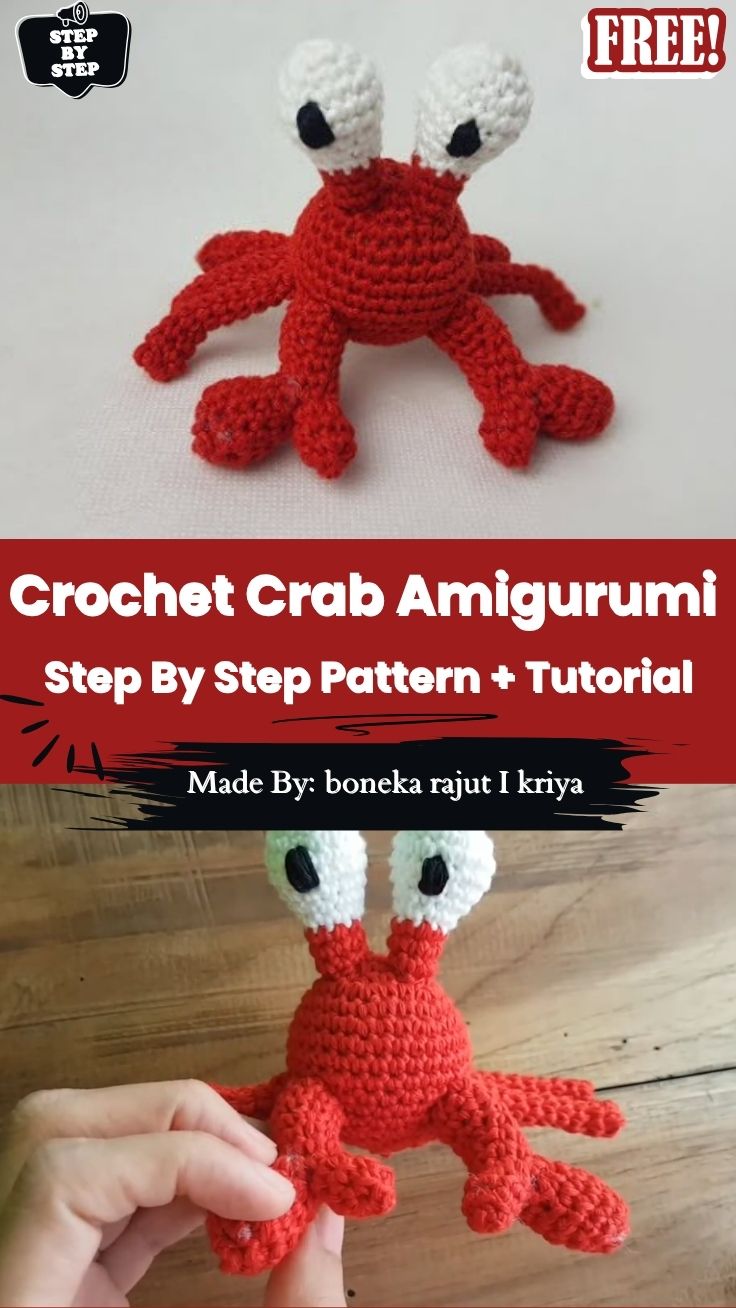
Bright red stitches curve into pincer claws and a squishy round shell for the How to Crochet Crab Amigurumi Pattern Free Beach Theme, a huggable little sea creature perfect for a desk or shelf. Its stitched button eyes give it a playful underwater personality.
Worked with basic amigurumi shaping using a 2mm hook, the crab stays approachable for newer crocheters while still producing a sturdy, professional-looking finish. Many makers enjoy crocheting a whole family of them in different color combinations for a colorful beach-themed display. The crab amigurumi pattern also makes a fun personalized gift for friends and family, giving the crochet project real charm for anyone who loves quirky sea life.
Amigurumi Crab Overview
Style and Look
A rounded shell body, two symmetrical claws, small legs, and eyes placed forward on the shell for a curious expression. Beach color palettes work beautifully here; think coral, sandy tan, seafoam, or classic crab red.
Skill Level
Beginner to confident beginner. Anyone comfortable with a magic ring, single crochet, and basic increases and decreases can complete this project.
Materials
- Yarn in your shell color
- Yarn in a contrasting color for the claws and legs, or matching if you prefer a solid look
- A small amount of white or black yarn for eye detail, or safety eyes
- Fiberfill stuffing
- Stitch marker
- Tapestry needle
- Scissors
Yarn Weight
Worsted weight cotton or acrylic works well for a firm, huggable shape. A finer cotton yarn gives a more delicate, detailed finish for smaller scale toys.
Yarn Quantity
[VERIFY against source pattern; not enough information available to state accurately]
Hook Size
[VERIFY exact mm size against source pattern]. As a general amigurumi rule, choose a hook one or two sizes smaller than the yarn label recommends to keep stitches tight enough to hide stuffing.
Gauge
Exact gauge is not critical for this toy since it will not need to fit anything. What matters is consistency; keep tension even throughout so the shell rounds up evenly instead of flaring or pulling in.
Additional Supplies
Safety eyes or embroidery thread, stitch markers to track rounds, a tapestry needle for sewing pieces together, and optional felt scraps for extra beach details like tiny sand dollar accents.
Abbreviations
sc, single crochet, inc, increase, dec, invisible decrease, st, stitch, rnd, round
Important Stitches
Magic ring for a closed starting circle, invisible decrease for smooth shell shaping, and continuous rounds worked without joining or slip stitching between rounds.
Before You Start
Read through the full construction order once before picking up your hook. Amigurumi pieces go together fastest when you already know which part gets stuffed, which stays flat, and which pieces attach last.
How the Crab Is Constructed
The shell body is worked first from a magic ring, increasing in rounds until it reaches its widest point, then decreasing to close the top. Claws are worked as two matching small pieces. Legs are worked as matching small pieces [VERIFY exact leg count against source pattern; standard crab anatomy uses eight]. Eyes go on last, once the shell shape is confirmed and stuffed.
Important Stitches
Single crochet forms the entire body of the doll. Increases and decreases build the two top lobes and taper the bottom point. The pattern needs no advanced stitches.
Before You Start
Work in continuous rounds without joining or turning. Keep a stitch marker moving through the first stitch of every round. Check your fabric every few rounds rather than waiting until you finish the piece, since tension drifts are easy to spot early on a project this small.
How the Heart Doll Is Constructed
The heart shape starts as two separate rounded lobes, each worked on its own. You then join and work them together as one piece. From that joined point, the body decreases gradually toward the bottom tip. You stuff it along the way and add the smiling face once you fully close the shape.
Step 1: Build the First Lobe
Begin with a small ring of stitches, close it snugly, and work your first round of single crochet into each stitch around. Over the next several rounds, increase steadily and evenly, spacing your increases around the round rather than stacking them in one spot. Keep checking that the piece stays flat and round as it grows, not cupped or ruffled, since a ruffled edge usually means you added increases too quickly. Once the circle reaches the size you want for one half of the heart top, work a round or two even, without any increases, to settle the shape. Fasten off and leave a long tail, long enough to comfortably sew the lobes together later.
Step 2: Build the Second Lobe to Match
Set your first lobe aside as your reference and start the second one from scratch using the exact same ring, round count, and increase placement. Lay both pieces flat side by side after every few rounds and check that they match in width and height. Matching lobes here is what keeps the finished heart symmetrical, so count your stitches out loud if it helps, and do not rely on the pieces just looking close enough. If the second lobe ends up a little larger or smaller, unravel back to where the count went off rather than continuing forward and hoping it evens out.
Step 3: Join Both Lobes Into One Round
Position the two finished lobes right next to each other with their openings facing the same direction, almost like two circles touching. Starting at one outer edge, crochet across the stitches of the first lobe, then continue directly into the stitches of the second lobe without breaking your yarn, working all the way around both pieces as one single round. This step merges two separate circles into one connected heart shaped piece, and it is the round where the heart’s outline first becomes visible. Take your time here and watch for any twist in the fabric, since a twisted join will throw off every round that follows.
Step 4 Shape the Dip Between the Lobes
Once both lobes are joined into one round, locate the exact point where the two circles meet at the top center. Work a small decrease right at that meeting point, pulling two stitches together into one. Keep this decrease modest rather than deep, since a shallow dip reads as a soft, rounded heart, while a deep dip makes the doll look like two balls stitched together instead of one heart. Check the dip from above after working it to confirm it sits centered between the two lobes and not shifted to one side.
Pro Tip: Pause right after joining the lobes and lay the piece flat on a table. If one lobe looks wider or taller than the other, adjust the stitch count now, since fixing it gets harder after you add more rounds.
Step 5 Begin Decreasing Toward the Point
With the dip shaped, start the next phase, where the joined piece gradually narrows toward the bottom point. Space your decreases evenly around each round rather than grouping several together, since even spacing is what keeps the taper smooth and centered. Work a round or two plain between decrease rounds if the shape starts narrowing too fast, and always count your stitches at the end of each round so you catch any uneven decrease before it compounds over several rounds.
Step 6: Stuff as You Go
As the opening narrows and gets harder to reach into, begin adding fiberfill in small pinches rather than one large handful. Reach up into both top lobes first and fill them evenly so neither side ends up firmer than the other, then work your way down, filling the body just enough that the fabric feels firm but not stretched. Check the shape from the outside as you add stuffing, pressing gently to feel for any soft or hollow spots that need a bit more filling.
Step 7: Close the Bottom Point
Continue your decrease rounds until only a small opening remains at the very tip. Add one final pinch of stuffing into the point, making sure it reaches all the way down rather than leaving the tip hollow. Close the remaining opening, then thread your tail onto a tapestry needle and weave it through the last few stitches around the point, pulling gently to draw them together so the tip sits centered and comes to a neat finish rather than leaning to one side.
Step 8: Weave In Remaining Ends
Thread every loose tail from around the doll onto your tapestry needle and run it through the inside of the stuffed body for a short stretch before trimming. Weaving ends into the inside rather than just at the surface keeps them from working loose or poking through later, especially once you start handling the doll to add the face.
Finished Size of the Doll
Exact measurements shift depending on yarn weight and hook size. Compare your finished doll to a real object such as your palm or a coin, and adjust future projects based on how that comparison feels.
Stitch Count Checkpoints
- Count stitches at the end of each lobe before joining
- Recheck the total once both lobes merge into one round
- Confirm your count again before starting the decrease rounds toward the point
Shaping the Heart Correctly
Symmetry comes from working both lobes with identical stitch counts and identical increase placement, then joining them without twisting the fabric. If the dip between the lobes ends up off center, you likely stuffed one lobe more firmly than the other before joining. Keep stuffing minimal until you complete the whole shape.
Embroidering the Smiling Face
Thread your embroidery needle and lightly mark where the smile will sit, using a stitch marker or pin, before sewing anything permanently. Center the mark along the lower portion of the heart, between the point and the dip. Stitch a simple curved line for the mouth, then add small rosy cheeks on either side using a straight or satin stitch.
Pro Tip: Step back and look at the doll from arm’s length before stitching the face down for good. A smile that looks centered up close can appear crooked once you view the whole doll, so trust the wider view over the close up angle.
Shaping and Stuffing Tips
Stuff in small pinches rather than large clumps, so the fiberfill distributes evenly instead of forming lumps. Press gently from the outside as you go to feel for soft spots, and add more filling wherever the fabric feels loose rather than firm.
Common Mistakes
- Uneven lobe sizes from mismatched stitch counts
- Overstuffing the point, which pulls it out of shape
- Sewing the face before confirming its placement
- Rushing tension checks and ending up with visible gaps
Watch The Video Tutorial:
If you’d like to follow along visually, this video walkthrough covers the same steps shown below. It’s a helpful reference if you prefer watching over reading, but the full written pattern with exact stitch counts is available right here on this page.
Troubleshooting
Problem: The shell looks floppy or oversized.
Why it happens: Tension was too loose during the dome rounds.
How to recognize it: The shape sags instead of holding a round dome even after stuffing.
How to fix it: Drop to a smaller hook size and keep stitches snug throughout the increase rounds.
Problem: Claws or legs do not match.
Why it happens: Row or stitch counts drifted between the two pieces.
How to recognize it: Placing them side by side shows a visible size difference.
How to fix it: Recount stitches per round on both pieces and redo the smaller one to match.
Problem: Stuffing shows through the stitches.
Why it happens: Tension is too loose, or the piece is overstuffed.
How to recognize it: White fiberfill peeks between stitches on close inspection.
How to fix it: Tighten tension on the next attempt or reduce stuffing slightly.
Finishing and Attaching Safely
Weave in every tail securely, and double-check that legs, claws, and eyes are anchored through multiple layers of yarn rather than a single surface stitch, especially if the finished crab is going to a young child.
Washing and Care
Hand wash gently in cool water if needed, reshape while damp, and lay flat to dry away from direct heat.
Pairing Ideas
A crab pairs naturally with a crocheted starfish or a small shell-shaped accent piece, building toward a handmade beach set that works well as a themed gift bundle.
Final Thoughts on Your Craft
In conclusion, making a crochet crab amigurumi is a delightful journey into the world of amigurumi. We have covered everything from the basic body shape to the intricate claws and legs. Moreover, by following the tips provided, you can avoid common pitfalls and create a high-quality handmade toy. Remember that practice makes perfect, so do not be discouraged if your first leg looks a bit different from the second. Ultimately, the charm of handmade crafts lies in their unique character. Consequently, your new crab friend is sure to bring a smile to anyone who sees it. Happy crocheting, and enjoy your new underwater companion.