
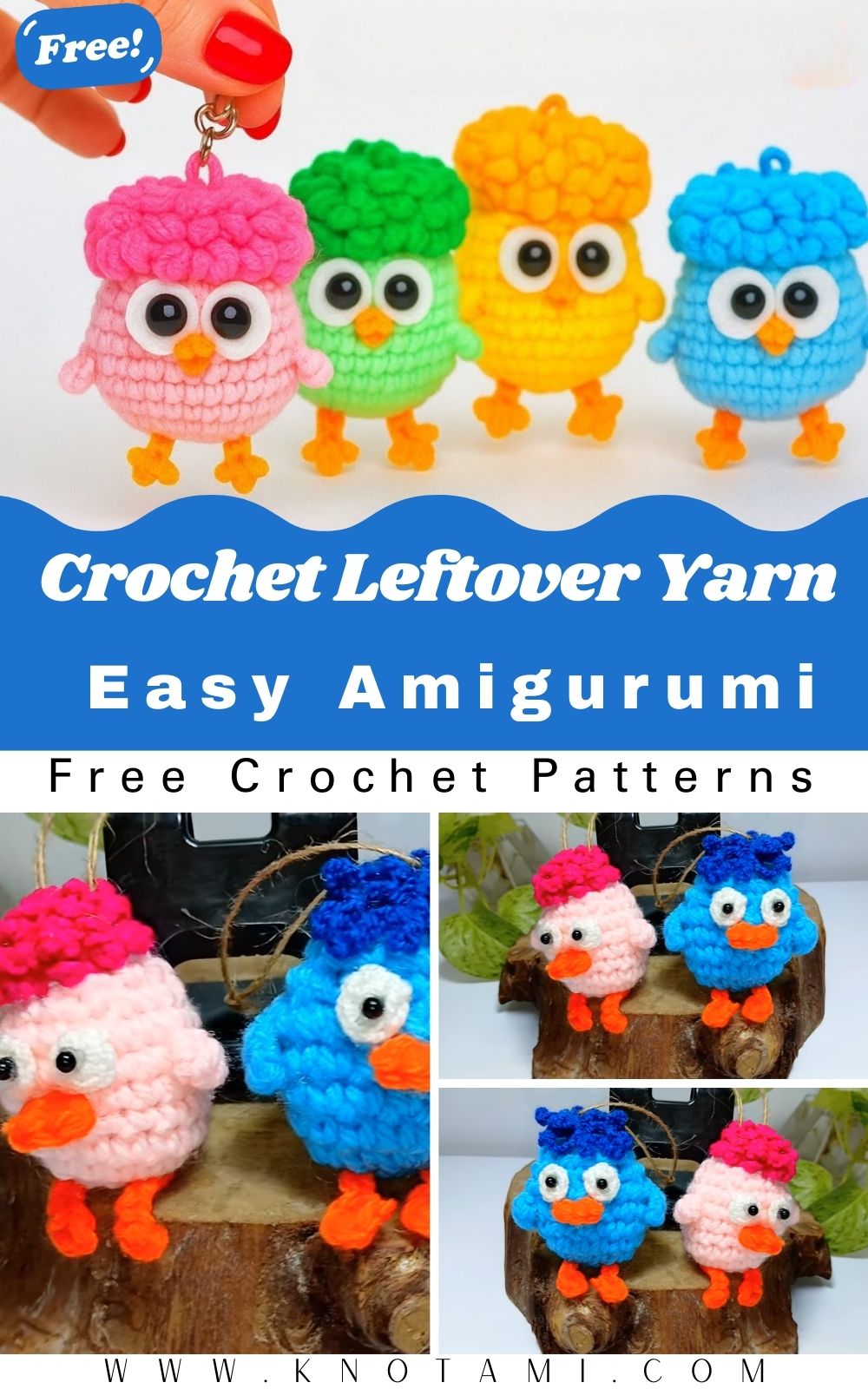
A small ball of yarn can easily turn into a smile-inducing little companion on a quiet afternoon, and that’s the beauty of this crochet amigurumi project that turns leftover yarn into something cute and displayable instead of going to waste. The project feels playful, frugal, and surprisingly calming from the start, with each stitch becoming a simple yet enjoyable experience.
Handmade amigurumi has a special warmth that is not usually found in store-bought gifts, because when you make a small plush toy with your own hands, every stitch has a story attached to it, who it is being made for, why you chose the colors, and how you want the recipient to feel when they see it. It is this emotional connection that makes amigurumi gifts special and memorable, especially when they are made with leftover yarn that itself holds memories of past projects.
What’s Required
Gather everything first, then you can crochet without stopping every five minutes.
- Assorted leftover yarn (any colors you want; similar weights work best)
- Crochet hook that matches your yarn weight (commonly 2.5 mm–4 mm)
- Stitch marker (or a bobby pin/scrap yarn)
- Fiberfill stuffing
- Yarn needle (tapestry needle)
- Sharp scissors
- Safety eyes (optional) or black yarn/thread for embroidered eyes
- Pins (helpful for placing facial features)
- Small amount of contrasting yarn for details (cheeks, nose, accents)
Step-by-Step Method
Step 1: Choose your scrap yarn palette
Pick 2–5 colors that look good together, even if they come from totally different projects. Aim for the same yarn weight so your stitches stay even. If you mix weights, you can still make it work, but the shape may shift slightly. The video shows the full flow and helps you match color placement smoothly.
Step 2: Start the body in a tight spiral
Most amigurumi begin with a magic ring and single crochet stitches worked in rounds. You increase early to create a round base, then crochet even rounds to build height. Keep your tension firm so stuffing does not peek through. Follow the video tutorial for the exact round count and shaping rhythm.
Step 3: Add color changes with confidence
Swap yarn colors at the end of a stitch, not the beginning, to keep the edges clean. Carrying yarn inside the piece works for short gaps, while fastening off keeps things neat for bigger changes. Use a stitch marker so you never lose your round start. The tutorial demonstrates the transitions clearly, especially if you want a striped or patchwork look.
Step 4: Stuff, shape, and close the piece
Stuff gradually instead of cramming it all at the end. You want a firm shape, but you still need room to close the top without stretching stitches. Use a yarn needle to weave a clean closure and sculpt the form lightly with your fingers. The video helps you judge when to stop stuffing.
Step 5: Add face and finishing details
Place eyes first, then adjust until the expression feels right. Embroider a small nose or mouth with a darker yarn for contrast. Sew on any tiny parts (ears, arms, little bumps) securely with tight stitches. For the full tutorial and finishing placement, refer to the video throughout.
Design & Look
A playful “leftover yarn” personality
This style shines because it does not chase perfection. The charm comes from mismatched color bits that somehow work together once the shape comes alive. A bright torso with soft pastel accents can look intentional even when it comes from scraps.
Color blocking vs. stripes
Color blocking gives a modern, graphic look—one bold shade per section. Stripes feel cheerful and classic, especially for tiny amigurumi figures. You can also mix both styles: a solid base with a striped tummy or contrasting top.
Texture details that make it pop
Even basic single crochet looks special when you add one or two textured rows. Try a bobble stitch, a front-loop-only round, or a simple surface embroidery line. Small touches like that make scrap yarn look curated instead of random.
Uses & Benefits
Decor that feels personal
A small amigurumi instantly warms up a shelf, desk, or bedside table. It adds color without the commitment of repainting a wall. You can group a few and create a tiny “crochet corner” in your home.
Gifts with emotional weight
Handmade amigurumi gifts hit differently because people know you spent time on them. They work well for birthdays, baby showers, care packages, and “thinking of you” moments. Even a simple little figure can become someone’s favorite keepsake.
Creative reuse without guilt
Leftover yarn piles grow fast, especially after bigger projects. This pattern turns scraps into a finished item you can actually enjoy. You clear your stash, reduce waste, and keep your craft space calmer.
Time & Skill Level
How long does it usually take
Most small leftover yarn amigurumi pieces take around 1–3 hours, depending on size and detail. The sewing and face placement often takes as long as the crocheting. Work in short sessions if you want to keep it relaxing.
Skill level: adventurous beginner to intermediate
You can handle this if you know single crochet, increases, and decreases. Color changes add a small challenge, but you will get the hang of them quickly. The video tutorial helps you see the shaping process in motion, which removes a lot of guessing.
Yarn & Tools
Best yarn choices for a neat finish
Cotton or cotton blends give crisp stitches and strong structure. Acrylic yarn works too and feels soft, especially for gift toys. Try to keep the yarn weight consistent so the parts match in size.
Hook size and tension tips
Use a hook that feels slightly smaller than what the yarn label suggests. Amigurumi needs tight stitches to hide stuffing. If you see holes between stitches, size down your hook or tighten your tension.
Stuffing and shaping tools
Basic fiberfill works great, and you only need a small amount for tiny projects. A chopstick or the back of a crochet hook helps push stuffing into narrow corners. Pins make facial placement much easier before you commit to stitches.
Final Size & Look
Typical finished size
With standard DK or worsted yarn and a small hook, you usually end up with a palm-sized figure. Think around 3–6 inches tall, depending on how many rounds you crochet and how tightly you stitch.
How scrap yarn changes the final vibe
Every piece comes out slightly different, even with the same general pattern. That is the fun—your leftovers dictate the final personality. A bold neon scrap can turn into a statement accent, while muted leftovers create a soft, cozy look.
Usage Ideas
Cute spots around the house
Place one on a bookshelf between novels for a surprise pop of color. Set another near a plant pot to make the corner feel styled. A tiny amigurumi on your desk also makes work feel less sterile.
Party favors and seasonal touches
Make a small batch in matching colors for party favors. Use red and green scraps for winter vibes, pastels for spring, and bright mixes for summer. You can even tie one to a gift bag handle as a reusable topper.
Keychains, bag charms, and travel buddies
Add a keyring or clip to transform it into a charm. Keep the piece smaller and stitch tighter so it handles daily wear. Toss one into a travel bag as a lightweight little comfort item.
Common Mistakes
- Loose stitches that show stuffing
Tighten the tension or use a smaller hook. Amigurumi needs dense fabric, especially when you stuff it firmly. - Skipping stitch markers and losing count
Spiral rounds hide the start point quickly. Mark the first stitch of each round so the shape stays symmetrical. - Overstuffing at the last minute
Stuff gradually. If you cram stuffing right before closing, the piece can stretch and look lumpy. - Messy color changes
Switch colors at the end of the stitch for cleaner transitions. Weave in ends neatly so the inside stays smooth. - Eyes placed too high or too far apart
Pin them first and step back to check the expression. Small shifts change the entire mood of the face.
Care Instructions for ( Crochet Leftover Yarn Amigurumi)
- Spot clean first
Use a damp cloth with mild soap. Pat gently and let it air dry. - Hand washing for deeper cleaning
Swish in cool water, do not twist. Press out the water with a towel and reshape while damp. - Avoid heat
Skip hot water and high heat drying. Heat can warp fibers and loosen stitches. - Store away from sunlight
Bright sun can fade colorful scraps over time. Keep it on a shelf out of direct rays.
Customization Ideas for ( Crochet Leftover Yarn Amigurumi)
- Change the palette theme
Use only warm tones, only pastels, or only monochrome scraps for a curated look. - Add a tiny accessory
Crochet a mini scarf, bow, or hat from the smallest leftovers. - Play with facial expressions
Shift the mouth curve, add blush, or embroider sleepy eyes for a calm vibe. - Texture accents
Add bobbles, surface slip stitches, or a fluffy yarn patch for contrast. - Make it a set
Create a family of small figures in different color layouts, with the same base shape.
Safety Tips for ( Crochet Leftover Yarn Amigurumi)
- Avoid safety eyes for babies
Use embroidered eyes instead. Small plastic parts can become a choking hazard. - Secure all sewn pieces tightly
Stitch through multiple layers and knot firmly. Tug gently to test strength. - Watch pets around yarn toys
Some pets chew yarn and swallow fibers. Keep the toy out of reach if your pet gets curious. - Use sharp tools carefully
Needles and scissors disappear easily on a couch or rug. Keep them in a small container while you work.
Why It’s Trending
Scrap projects match the “use what you have” mood
Many crafters want to create without constantly buying more supplies. Leftover yarn amigurumi fits that mindset perfectly. You get the satisfaction of finishing something while shrinking the messy yarn pile at the same time.
Amigurumi photographs well and shares easily
Small crochet figures look great in photos because they have instant personality. Makers post progress shots, color decisions, and finished “lineups” on social platforms. That visibility keeps amigurumi patterns circulating and inspires new variations.
Handmade decor feels warmer than mass-produced pieces
Modern homes often lean minimal, which can feel cold fast. One bright handmade piece changes the mood of a space without cluttering it. People want items that look personal, and a scrap-yarn amigurumi delivers that in a few hours.
The process feels calming and achievable
Unlike huge blankets, small amigurumi give quick wins. You see progress within minutes, which keeps motivation high. The video tutorial format also makes it easier to learn shaping and assembly without feeling overwhelmed.
FAQs for ( Crochet Leftover Yarn Amigurumi)
1) What yarn weight works best for leftover yarn amigurumi?
Use one consistent weight if possible, like DK or worsted. When you mix weights, the shape can twist or bulge in unexpected places.
2) How do I keep my stuffing from showing through stitches?
Use a smaller hook and keep your tension tight. Stuff slowly and avoid stretching the fabric when you close the top.
3) Can I make this without safety eyes?
Yes. Embroider eyes with black yarn or thread, and pin placement first, so you like the expression before you stitch.
4) What is the easiest way to manage lots of yarn ends?
Weave ends as you go instead of saving them for the end. When you do color changes, leave enough tail to weave securely.
5) How do I make it into a keychain?
Insert a small loop (yarn or ribbon) into the top while you close the final rounds, or sew a metal keychain finding into the finished piece with strong thread.
In Short for ( Crochet Leftover Yarn Amigurumi)
Leftover yarn projects feel like a small act of magic; you turn scraps into something that looks intentional, cheerful, and full of character. This adorable crochet amigurumi pattern keeps the process light and fun while still giving you a finished piece you can display proudly. You can’t tuck it into a shelf display, add it to a desk, or gift it to someone who needs a little comfort. Each color change tells its own story, especially when that yarn came from past makes. Follow the tutorial for shaping, finishing, and details, then make it unmistakably yours.